
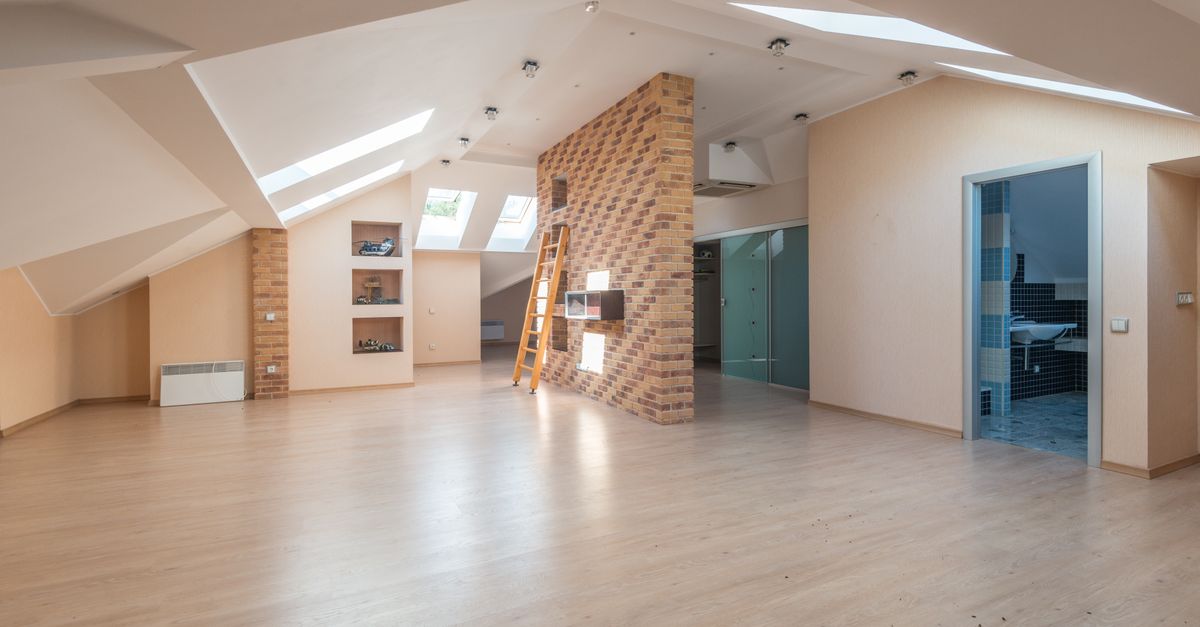
You're handing back the keys to a townhome in Brier Creek, the moving truck is loaded, and you're standing in an empty unit at 9 p.m. with a sponge and a roll of paper towels. This is where most security deposits quietly disappear. Not because renters trashed the place, but because the unit didn't get cleaned to the standard the landlord expects, and the cleaning fee got pulled straight out of the deposit.
The Triangle moves a lot. RTP and RDU bring people in and out constantly, NC State, Duke, and UNC turn over leases every summer, and Wake County's rental market stays tight. That means landlords and property managers here see hundreds of move-outs a year, and they have a checklist. A professional move-out cleaning is built around that checklist, which is the whole point.
What landlords actually inspect for
Most lease agreements in the Triangle require the unit returned in the same condition it was rented, minus normal wear and tear. The gap between "I wiped it down" and "it passed inspection" is usually the same handful of spots:
- Inside the oven and stovetop: baked-on grease is the single most common deduction. Property managers open the oven door first.
- Inside the refrigerator and freezer: shelves pulled, drawers cleaned, nothing sticky in the corners.
- Bathrooms: soap scum, hard water buildup around faucets, grout, and the inside of the toilet base.
- Baseboards, window sills, and ceiling fan blades: dust here signals "didn't really clean" to an inspector.
- Cabinet interiors and drawers: crumbs and residue inside count against you.
- Floors: not just vacuumed, but mopped into the corners and along the edges.
A standard tidy-up skips most of these. A move-out clean exists specifically to hit every one of them, because that's the difference between getting your money back and losing a few hundred dollars.
The hard water factor in the Triangle
A lot of homes around Cary, Apex, and Wake Forest deal with hard water, and it leaves chalky mineral deposits on glass shower doors, faucets, and around drains. Renters often scrub at it and assume it won't come off. It will, but it takes the right products and some patience. Inspectors notice it, and it reads as buildup rather than wear and tear, so it gets charged back.
DIY vs. hiring a pro
You can absolutely clean a unit yourself, and if you've got the time and you're meticulous, it can work. The honest math is about hours and stakes. A typical two-bedroom move-out clean done right is four to six hours of focused work, often more if you haven't done deep work in a while. If your deposit is sitting at $1,500 to $2,000, spending a fraction of that to guarantee it comes back is usually the smarter call, especially on a moving weekend when your time is already stretched thin.
There's also the documentation angle. When a professional crew cleans the unit, you have a clear handoff: the place was cleaned to move-out standard on a specific date. If a landlord tries to deduct a cleaning fee anyway, that gives you something to push back with.
The mistakes that cost renters their deposit
After enough move-outs, the same errors show up again and again. Watch for these:
- Cleaning around furniture instead of an empty unit. The dust and grime under the couch and behind the dresser is exactly what an inspector looks for. Move out first, clean second.
- Forgetting the walls and switch plates. Scuffs near doorways, fingerprints around light switches, and marks behind furniture all read as damage if they're not wiped down.
- Skipping the dryer lint trap and washer. If the unit came with appliances, they're part of the inspection too.
- Leaving the patio, balcony, or garage. Outdoor and storage spaces count, and renters almost always forget them.
- Treating it like a regular tidy. A surface wipe-down won't pass a move-out walkthrough, and the gap between the two is where the cleaning fee lives.
None of these are hard to handle when you know to look for them. The problem is that on moving day, between the truck and the logistics and the stress, the details slip. That's the real argument for handing it off.
Timing it right
The mistake people make is booking the clean too early or too late. Here's the order that works:
- Move every box and piece of furniture out first. Cleaners can't clean around your stuff, and an empty unit cleans far better.
- Schedule the clean for the day before or the morning of your final walkthrough.
- Do the clean after carpet cleaning if your lease requires professional carpet treatment, not before, so foot traffic doesn't re-dirty floors.
If you're moving locally inside the Triangle, this is easy to line up. If you're relocating out of state for a job at RTP or one of the universities, build in a buffer day so a delayed truck doesn't collapse your whole schedule. Renters in Raleigh proper can see exactly what's included on our Raleigh move-out cleaning page.
What a Swept Up move-out clean covers
Our move-out service is the full checklist: oven and fridge interiors, all cabinets and drawers inside and out, every bathroom scrubbed including hard water deposits, baseboards, sills, fans, light fixtures, and floors mopped edge to edge. We clean it the way an inspector reads it, top to bottom, because the goal isn't a place that looks clean from the doorway. It's a place that passes the walkthrough.
Every clean is backed by our 24-hour re-clean guarantee, so if anything gets flagged, we come back and make it right. We're rated 4.9 stars across 500-plus Triangle homeowners, and a real chunk of those are renters who got their full deposit back.
If you've got a move-out coming up, get an instant quote in about two minutes and lock in your date at sweptupcleaningco.com/raleigh/book-now. Tell us the unit size and your walkthrough date, and we'll handle the rest so you can focus on the move.