
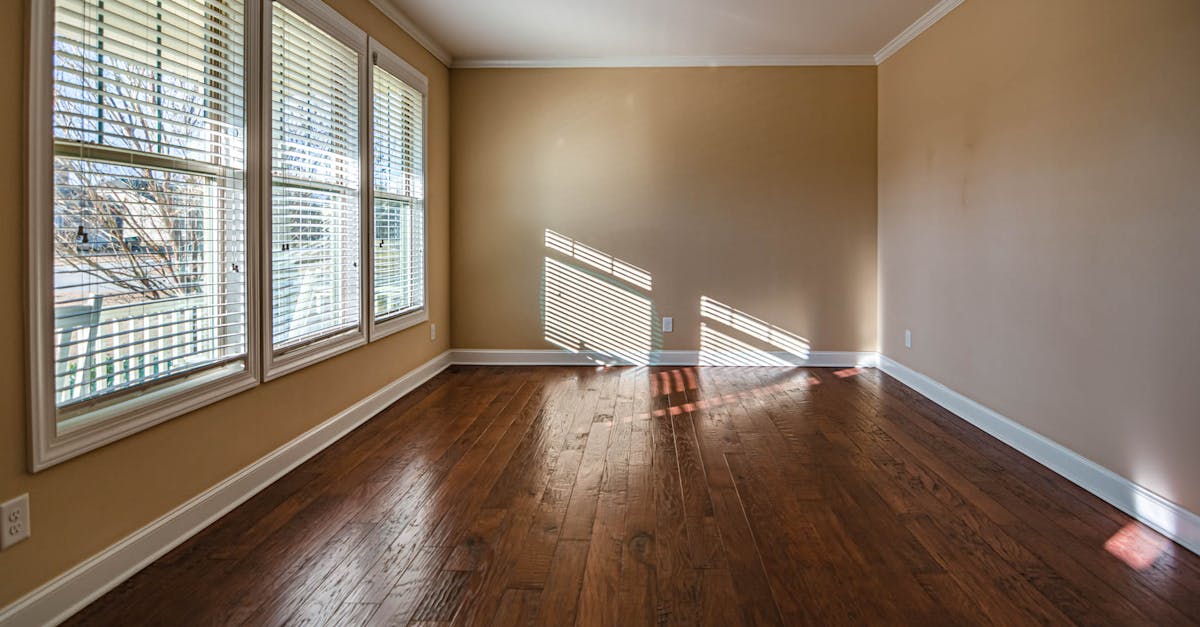
Move in cleaning in Austin is one of those things people always say they'll handle themselves, right up until they're standing in their new South Congress bungalow at 9 p.m. surrounded by boxes, staring at a refrigerator that clearly hasn't been wiped down since 2019. It happens constantly. The previous tenants weren't monsters, they were just busy, and the landlord's turnover crew did the bare minimum. Now it's your problem.
Why Move In Cleaning Austin Is Different from a Regular Clean
A standard cleaning maintains a home that's already reasonably clean. A move-in clean attacks a home that's been emptied, possibly neglected, and handed off between strangers. Nobody knows how long that grease has been on the stovetop or what was living behind the washer. That uncertainty is exactly why move-in cleaning requires a different checklist and a different mindset.
In Austin specifically, a few things make this more complicated. Older homes in Hyde Park or East Austin often have decades of layered grime in window tracks and door frames. New construction in areas like Mueller or North Burnet looks pristine until you open a cabinet and find drywall dust coating every interior shelf. Both situations need thorough attention before you unpack a single dish.
What a Proper Move-In Clean Actually Covers
Kitchen: The Highest-Stakes Room
The kitchen is where most move-in cleans either earn their money or fail. A real move-in kitchen clean means pulling out oven racks and scrubbing them separately, cleaning inside the oven cavity, wiping down every interior cabinet shelf, cleaning inside the refrigerator if it stays with the unit, degreasing the range hood filter, and scrubbing the backsplash grout. Surface wipes don't cut it here. You're removing someone else's cooking history, and that takes time and the right products.
Bathrooms: Beyond the Obvious
Toilets and sinks are obvious. What gets missed is the base of the toilet where it meets the floor, the inside of the vanity cabinet, the grout lines in the shower, the caulk around the tub, and the exhaust fan cover overhead. In older Austin homes, you'll often find hard water stains from our mineral-heavy tap water that require a specific treatment. Standard bathroom spray won't touch calcium buildup, so it's worth confirming your cleaning team knows how to handle it.
Living Areas and Bedrooms
These rooms look the cleanest and often get the least attention. That's a mistake. Interior windowsills collect dead bugs and oxidized paint chips. Ceiling fan blades in an Austin home that ran through one Texas summer are coated in a layer of dust and pollen you really don't want blowing around your new space. Baseboards need wiping, closet shelves need wiping, and light switch plates, one of the highest-touch surfaces in any home, should be cleaned and sanitized.
Floors
Vacuuming and mopping are table stakes. What makes the difference in a move-in clean is attention to corners, the edges where the baseboard meets the floor, and the transition strips between rooms. For homes with hardwood, you want to confirm the cleaning product is safe for the finish. For tile, grout lines need scrubbing, not just mopping over.
The Austin-Specific Stuff Nobody Warns You About
Cedar pollen. If your new home sat vacant from December through February, cedar pollen has found its way into every crevice, especially around window frames and door seals. Austin's cedar season is brutal, and anyone with allergies will feel it immediately if the home wasn't properly cleaned before move-in.
Pest evidence. Texas is not subtle about its insects. A thorough move-in clean often turns up evidence of roaches, silverfish, or ants in cabinet corners or under appliances. You want to know this before you've filled those cabinets with your food. Cleaning doesn't solve a pest problem, but it surfaces it so you can address it early.
HVAC vents. Dusty vent covers are cosmetic. The issue is that an empty home circulates dust through the system with no one to notice. Wipe down every accessible vent cover as part of your move-in clean, and change the air filter on day one regardless of when it was last replaced.
DIY vs. Hiring Out: An Honest Take
If you have two full days, the right cleaning products, and no furniture to coordinate moving, you can do a solid move-in clean yourself. Most people don't have that combination of time and energy at the exact moment they're moving. Moving is already one of the most logistically demanding things you'll do, and cleaning a 1,500 square-foot home properly takes four to six hours of real work, not casual tidying.
Hiring a professional move-in cleaning service means the job gets done to a consistent standard before your furniture arrives, which is the only time you'll have full access to floors and walls. Once the couch is against the wall, that section of baseboard won't get touched for years.
If you want to see what's included in our move-in and move-out cleaning service, that page walks through the full checklist. We also offer deep cleaning for homes that need more intensive attention before they're livable.
When to Schedule Your Move-In Clean
Book your clean for the day before or the morning of your moving truck arrival. That window, after the keys are in your hand but before anything is moved in, is the most efficient moment. Cleaners can access every corner, every floor, every shelf without working around furniture or boxes.
If the timing doesn't work out perfectly, the next best option is to clean within the first week, before too much of your furniture and life settles into permanent positions.
Get a Quote Before Your Move Date
We work with Austin homeowners and renters across the city, from Tarrytown to Pflugerville, and we're straightforward about pricing. Head to our instant quote page and get a number in under two minutes. No phone tag, no vague estimates. If the date works, we'll confirm it and show up ready to do the job right.
Moving is stressful enough. Start your new home clean.